About Project - Soul Food

ABOUT PROJECT

SOUL Food - Skills, Opportunity, Upliftment, and Learning for Migrant Women through Food – es un proyecto Erasmus+ que apoya la integración social y profesional de mujeres migrantes a través de la educación culinaria, el desarrollo de habilidades digitales y la participación comunitaria activa.

A través de eventos interculturales, itinerarios de aprendizaje modulares y herramientas digitales innovadoras, el proyecto rompe barreras lingüísticas y culturales, fomentando la inclusión, la diversidad y el empoderamiento en cada etapa.

El proyecto reúne a seis socios europeos especializados en educación de adultos e innovación social, trabajando de forma colaborativa para diseñar programas educativos inclusivos y sostenibles de construcción de comunidad.

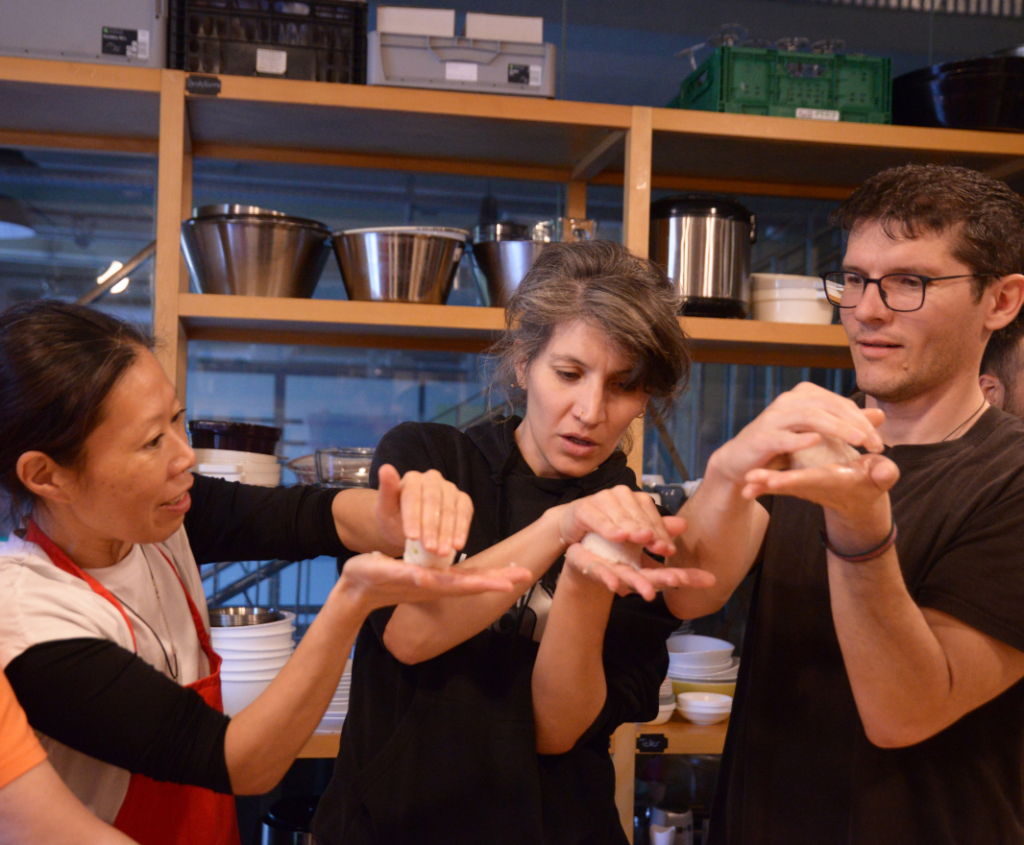
[Imagen de Proyecto Soul Food - Taller de cocina]
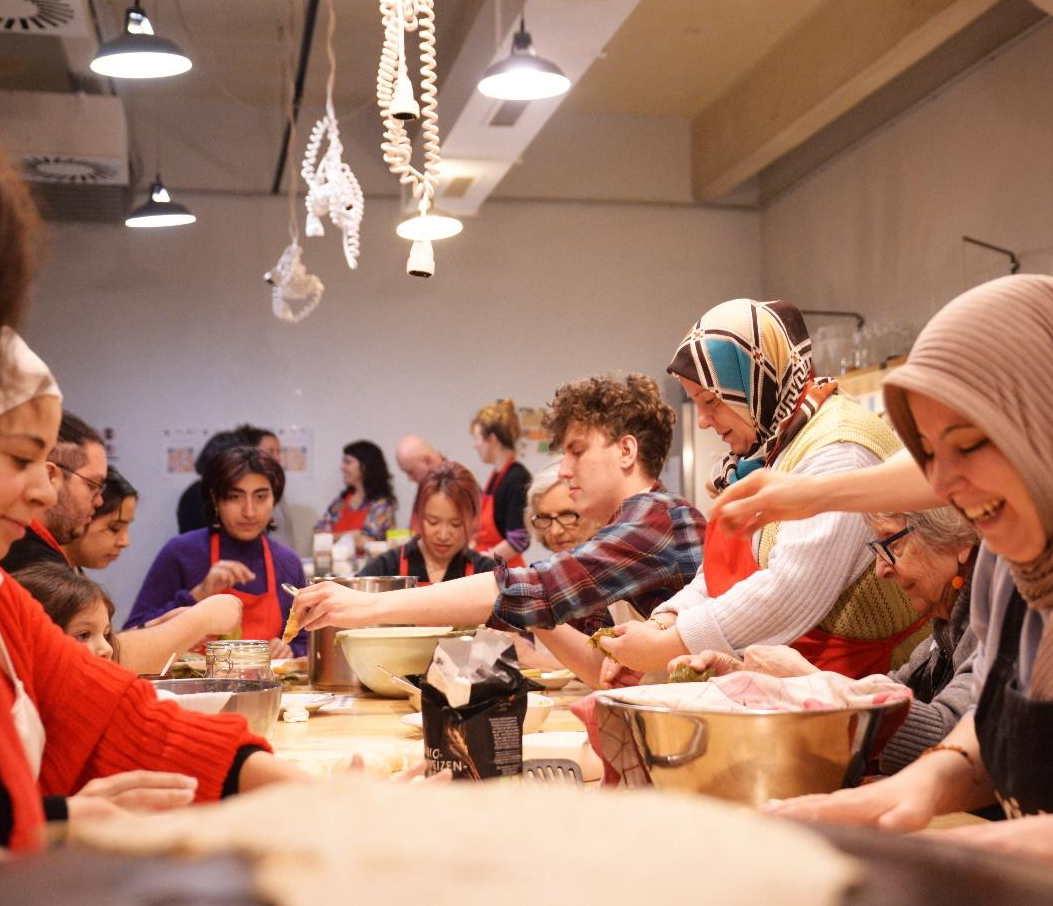
[Imagen de Proyecto Soul Food - Actividad grupal]

OUR MISSION

SOUL Food is dedicated to creating real learning and inclusion opportunities for migrant women, equipping them with essential professional, civic, and digital skills.

By integrating culinary education and cultural exchange, the project aims to reduce inequalities and improve access to flexible, high-quality learning pathways.

Our mission is to build stronger, more inclusive communities, where diversity is embraced as a source of innovation and social progress.

Key objectives

SOUL Food is built around three core objectives:

Inclusion & Community Development

Inclusion & Community Development

The project fosters social integration by creating inclusive spaces where migrant women can share experiences, strengthen their social networks, and build relationships with the local community through food-related activities. By organizing cooking-based events and intercultural meetings, the project enhances mutual understanding and helps dismantle cultural and linguistic barriers.

Education & Personal Growth

Education & Personal Growth

SOUL Food develops a comprehensive Modular Educational Pathway, structured around culinary skills, civic engagement, and digital learning. This approach not only provides practical skills for employment in the food industry but also enhances personal empowerment, encouraging migrant women to actively participate in society and gain confidence in their new environment.

Educator Capacity Building

Educator Capacity Building

The project aims to strengthen the skills of educators and practitioners, equipping them with effective teaching methodologies and digital tools tailored to support diverse learners. By developing an Educator Handbook and Digital Guidelines, SOUL Food ensures that the training model is scalable, replicable, and adaptable for various educational contexts across Europe.

OUR APOACH

SOUL Food adopts a practical, inclusive, and scalable approach, based on four key pillars:

Research & Analysis – Identifying best practices for inclusion through food and compiling a repository of successful case studies.

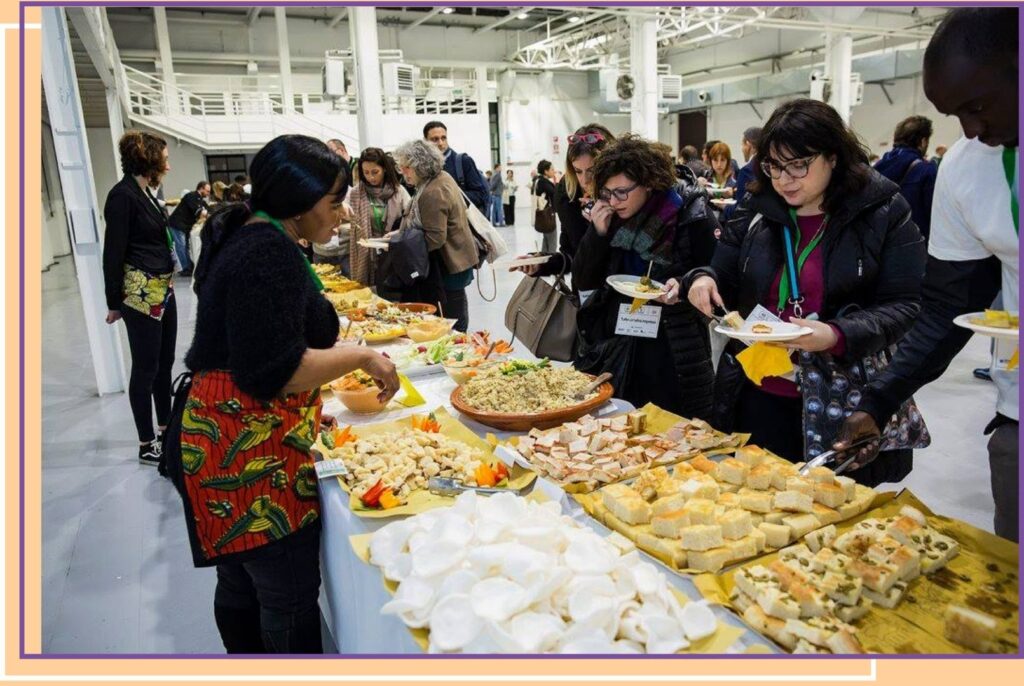
Intercultural Experiences – Organizing cooking-based events and cultural exchange activities between migrant women and local communities.

Innovative Learning Pathways – Developing a modular training program, integrating digital tools and blended learning (online & in-person).

Support for Educators – Providing guidelines and digital resources to strengthen teaching methods in multicultural learning environments.

By using food as a universal language, SOUL Food breaks down barriers and fosters meaningful connections between diverse cultures.

Work packages:
driving innovation and impact

The SOUL Food project is structured into four key areas, each ensuring a lasting impact:

Project Management (WP1)

This phase coordinates and oversees all project activities, ensuring high-quality results, timely delivery, and effective communication among partners.

Community Inclusion & Intercultural Engagement (WP2)

The project fosters social inclusion through food by conducting an in-depth study of best practices, compiling 10 case studies, and organizing 10 community engagement events.
image

Modular Educational Pathway (WP3)

It designs and tests a 10-module training program covering culinary skills, citizenship, and digital learning. Five pilot training sessions (40 hours each) take place for 75 migrant women.

Resource Development & Educator Training (WP4)

The project develops digital tools for educators, along with a training handbook and practical guidelines to enhance adult education and support the integration of migrant women.